Here's the game plan
I've made sheet pan chicken and vegetables more times than I can count. Probably a few hundred. And for the first fifty or so, I kept wondering why the chicken came out dry while the carrots were still crunchy. Or why everything steamed instead of roasted. The recipes I followed looked great online. The results were mediocre.
Then it clicked—most sheet pan recipes skip the part that actually matters: moisture control and pan real estate. This guide is everything I wish someone had told me earlier. It's not just a recipe. It's the logic behind why things work, so you can adapt it to whatever's in your fridge.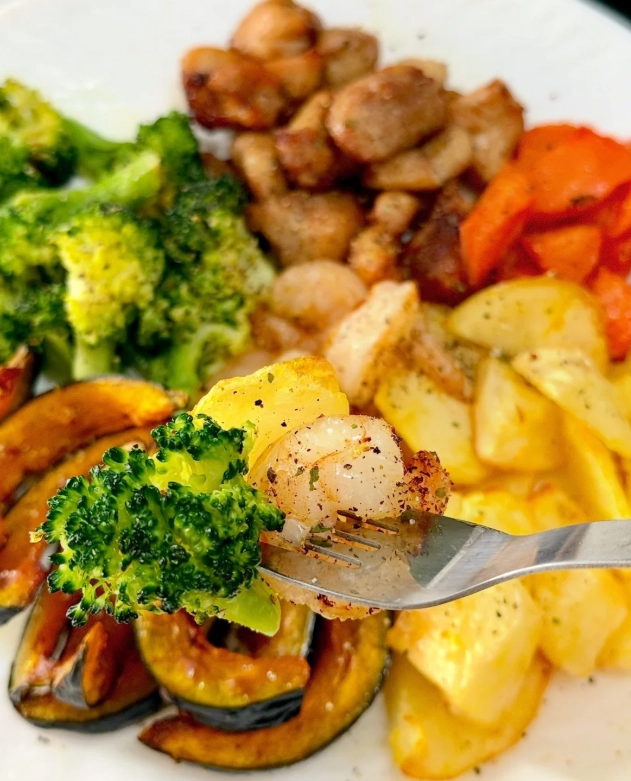
Why Most Sheet Pan Dinners Fail (It's Not the Recipe)
The biggest culprit is crowding the pan. I see it constantly—people pile chicken thighs and a mountain of broccoli onto one standard half-sheet pan, and then wonder why nothing browns.
Here's the thing: roasting is a dry-heat method. If you pack the pan tight, the vegetables release steam, the steam gets trapped, and you end up essentially steaming everything. You want space between pieces. I'm talking about a good inch or two of breathing room. If it looks a little sparse, that's about right.
Another issue? Not drying the chicken. I pat my chicken thighs dry with paper towels until they feel tacky, not slippery. Moisture on the surface is the enemy of browning. This one step made a bigger difference in my results than any fancy spice blend.
A detail I picked up from a line cook: Put the chicken skin-side down first for the first 15 minutes, then flip. You get crispy skin without overcooking the meat. Most recipes don't mention this.
What You Actually Need Before You Start
You don't need much, but a few tools and choices matter more than you'd think.
- Pan: A heavy-duty half-sheet pan (18 by 13 inches). Thin pans warp at high heat. I use a basic aluminum one from a restaurant supply store—cost me less than a takeout dinner.
- Chicken: Bone-in, skin-on thighs work best. Breasts dry out too fast at the high heat you need for vegetables. If you insist on breasts, brine them for 30 minutes first.
- Vegetables: Dense ones—carrots, potatoes, Brussels sprouts, cauliflower. Save the delicate stuff (spinach, cherry tomatoes) for the last 10 minutes.
- Oil: Something with a high smoke point. Avocado oil or refined olive oil. Save the fancy extra-virgin for finishing.
Speaking of oil, don't drizzle it. Toss the vegetables in a bowl with oil and salt first. That way every piece gets coated evenly. I learned this after biting into one too many bland, dry Brussels sprouts.
How to Make Sheet Pan Chicken and Vegetables Step by Step
1. Preheat the oven properly
Set it to 425°F (220°C). Let it heat for a full 20 minutes. A cold oven is a recipe for uneven cooking. I know it feels long. Do it anyway.
2. Season the chicken early
Salt the chicken and let it sit at room temperature for 15–20 minutes while the oven heats. This gives the salt time to penetrate. If you're using skin-on thighs, rub a little oil on the skin too.
3. Cut vegetables to uniform size
Aim for 1-inch pieces. Anything bigger won't cook through in time. I chop carrots into coins about half an inch thick. Potatoes into 1-inch cubes. Cauliflower into florets roughly the same size.
4. Arrange with intention
Place the chicken skin-side down on the pan. Scatter the vegetables around, not underneath. Leave a little gap between everything. If the pan looks full, split it onto two pans. No shame in that.
5. Roast, then flip
Put the pan in the middle rack. Roast for 15 minutes. Take it out, flip the chicken skin-side up, and give the vegetables a quick stir. Back in the oven for another 20–25 minutes until the chicken skin is crisp and the veggies are browned at the edges.
Check the internal temperature of the chicken—it should read 175°F (79°C) at the thickest part. I use a cheap instant-read thermometer. It takes the guesswork out.
6. Rest before serving
Let the pan sit for five minutes. This lets the juices redistribute. If you cut into it immediately, you lose all that moisture onto the pan.
Timing Chart for Chicken Cuts and Vegetables
This is the cheat sheet I keep taped inside a cabinet door. Times assume a 425°F oven and 1-inch vegetable pieces.
| Ingredient | Cut/Prep | Roast Time | Notes |
|---|---|---|---|
| Chicken thighs (bone-in, skin-on) | Whole | 35–40 min total, flip after 15 | Best for beginners; forgiving |
| Chicken drumsticks | Whole | 35–40 min, flip after 15 | Similar to thighs |
| Chicken breasts (boneless) | Halved horizontally | 20–25 min, no flip needed | Brine first to avoid dryness |
| Carrots | ½-inch coins | 30–35 min, stir once | Dense; start with chicken |
| Baby potatoes | Halved | 30–35 min, stir once | Parboil 5 min for extra crisp |
| Brussels sprouts | Halved | 25–30 min, stir once | Cut side down for browning |
| Cauliflower | 1-inch florets | 25–30 min, stir once | Don't overcrowd |
| Cherry tomatoes | Whole | 10–12 min, add at end | They burst and sweeten |
One thing I've noticed: if I'm using especially watery vegetables like zucchini, I salt them and let them drain in a colander for 15 minutes first. Otherwise they release too much liquid and turn mushy. That's a mistake I see in a lot of recipes—they just toss everything together.
Questions I Get Asked All the Time
My chicken always comes out dry while the vegetables are still undercooked. What am I doing wrong?
You're probably using boneless skinless breasts with dense vegetables. Switch to bone-in thighs and cut your vegetables smaller (half-inch pieces). Also, start the vegetables on the pan for 10 minutes before adding the chicken. The thighs can handle the extra time without drying out.
Can I prep sheet pan chicken and vegetables ahead of time?
You can chop vegetables and store them in a sealed container in the fridge for up to two days. But don't season the chicken more than a few hours ahead—the salt will draw out moisture and make the texture spongy. I learned that one the hard way.
How do I get the vegetables crispy instead of soggy?
Three things: dry the vegetables well after washing, toss them with oil in a bowl (not on the pan), and give them space. If you're using frozen vegetables, roast them from frozen without thawing—thawing makes them release water and steam.
What's the best way to clean a sheet pan with baked-on grease?
Sprinkle baking soda on the pan, add a splash of water to make a paste, and let it sit for 20 minutes. Scrub with a non-abrasive sponge. Avoid steel wool—it scratches the surface and makes future sticking worse.
I still make this dinner at least twice a month. It's the kind of meal that adapts to whatever's in season or whatever's left in the fridge drawer. Once you understand the moisture and spacing rules, you don't need a recipe anymore. You just look at the pan and know.
This article was fact-checked against the USDA's safe minimum cooking temperature guidelines for poultry and standard roasting practices from culinary sources.
Comments
Comments are temporarily unavailable.