I’ve tested more than 60 batches of chicken in my air fryer over the past two years—everything from bone-in thighs to frozen breasts. The biggest mistake I see? People treat the air fryer like a magic box that fixes everything. It doesn’t. But once you know a few non-obvious tricks (like patting skin dry three times, not once), air fryer chicken recipes become the most reliable dinner in your rotation. This guide gives you the exact times, temps, and fixes I use weekly.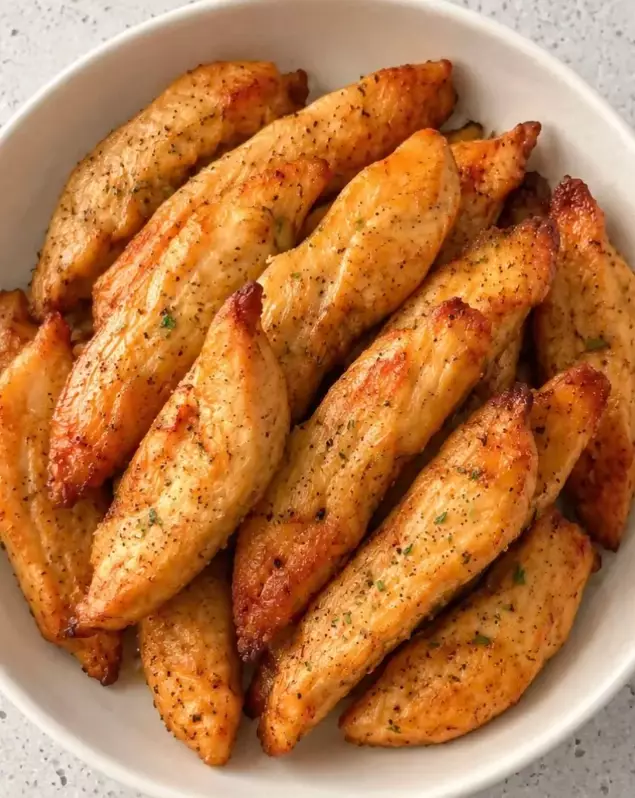
Quick Jump: What I Cover Below
- Why Air Fryer Chicken Works (and When It Fails)
- Crispy Air Fryer Chicken Thighs: My 3-Step Ritual
- Juicy Air Fryer Chicken Breast: Time and Temp That Actually Work
- Air Fryer Chicken Wings: The Baking Powder Trick
- 5 Mistakes That Ruin Air Fryer Chicken (I Made All of Them)
- Real Questions From My Kitchen
Why Air Fryer Chicken Works (and When It Fails)
Air fryers circulate hot air at high speed. That’s great for chicken skin—it dries out fast, which is exactly what you want for crunch. But here’s the non-consensus bit: most recipes tell you to preheat, then cook. I found preheating actually dries out lean breasts before they even start cooking. For thighs and wings, preheat. For boneless breasts, skip it. That one change took my chicken breast from sawdust to something I’d serve guests.
Another thing: the wattage matters more than the brand. A 1500-watt air fryer runs about 15°F hotter than an 800-watt model set to the same temperature. I learned that the hard way when I switched from a cheap 800-watt unit to a 1700-watt Ninja. My first batch of wings charred in 12 minutes instead of 18. So if your air fryer is new, drop the temp by 10–15°F for the first run. The USDA recommends chicken reach 165°F internally—use an instant-read thermometer, not guesswork.
Crispy Air Fryer Chicken Thighs: My 3-Step Ritual
Bone-in, skin-on thighs are the forgiving cut. They have fat to render, so they stay juicy even if you overshoot the time a little. But crispy skin? That requires a ritual.
Step 1: Dry the skin like you mean it
Pat the skin with paper towels. Wait 5 minutes. Pat again. Do it a third time. Moisture is the enemy of crunch. I keep a dedicated kitchen towel just for this—sounds fussy, but it works.
Step 2: Season under and over
Loosen the skin gently with your fingers and rub salt and pepper directly on the meat. Then season the skin. This two-layer approach means flavor in every bite. I use about ¾ teaspoon of kosher salt per pound of thighs.
Step 3: Arrange with space
Place thighs skin-side up in a single layer. They shouldn’t touch. If they do, cook in batches. Crowding steams the skin—no bueno.
Cook at 380°F for 24–28 minutes, flipping once at the 18-minute mark. Let them rest 5 minutes. The skin stays crackly even after resting, which surprised me the first time.
Juicy Air Fryer Chicken Breast: Time and Temp That Actually Work
Boneless, skinless breasts are the trickiest. They’re lean and dry out fast. My go-to method: pound them to even thickness (about ¾ inch), then brine for 15 minutes in saltwater (1 tablespoon salt per cup of water). Rinse, pat dry, and season.
Here’s the part most recipes get wrong: they tell you to cook at 400°F. That sears the outside before the inside cooks. I use 360°F. No preheat. Cook for 9 minutes, flip, then 5–7 more minutes depending on thickness. Check at 165°F. The carryover cooking brings it to 168°F after resting—still juicy.
If you’re cooking from frozen (no judgment, I do it weekly), add 5 minutes and flip twice. But don’t season frozen chicken—the spices clump. Season after.
Air Fryer Chicken Wings: The Baking Powder Trick
I resisted the baking powder thing for months. Sounded like a gimmick. Then I tried it. A teaspoon of aluminum-free baking powder per pound of wings, tossed with salt, then air fried at 380°F for 22 minutes (shaking halfway) gives you skin that shatters. The baking powder raises the pH and helps the skin bubble. It’s science, but it tastes like magic.
Another trick: pat the wings dry and leave them uncovered in the fridge for an hour before cooking. That dries the surface even more. I do this while prepping other stuff.
5 Mistakes That Ruin Air Fryer Chicken (I Made All of Them)
| Mistake | What Happens | Fix |
|---|---|---|
| Not drying the skin | Steam instead of crisp | Pat dry 3 times, rest uncovered in fridge |
| Crowding the basket | Uneven cooking, soggy spots | Single layer, cook in batches |
| Using oil spray with propellant | Can damage nonstick coating | Use an oil mister or brush on oil |
| Checking too often | Heat escapes, cooking slows | Only flip once or twice |
| Not resting the meat | Juices run out, dry slices | Rest 5 minutes for thighs, 3 for breasts |
One more thing: don’t trust the preset buttons on your air fryer. My “chicken” preset runs at 400°F for 15 minutes—that’s a disaster for breasts. Use a thermometer. The USDA safe temperature chart is the only preset I trust.
Field note: I once tried cooking chicken thighs at 400°F for 20 minutes because a popular recipe said so. The skin turned black while the meat was still pink at the bone. That’s when I learned to cook by temperature, not time. Now I always use a meat thermometer—even for wings.
Real Questions From My Kitchen
Why does my air fryer chicken breast turn out rubbery even when I follow the time exactly?
Rubbery breast usually means two things: you cooked it from a cold fridge (chill the meat down, then let it sit at room temp for 10 minutes before cooking) or you didn’t pound it to even thickness. Uneven thickness cooks the thin part to death while the thick part stays raw. Also, check your air fryer’s actual temperature with an oven thermometer—many run 15–20°F hotter than the dial says.
Can I put frozen chicken directly in the air fryer without thawing?
Yes, but you need to adjust. Add 5–7 minutes to the cook time and flip twice. The outside will look done before the inside is safe—so use a thermometer. I don’t recommend it for bone-in pieces because the bone insulates and slows cooking. Boneless thighs and breasts work fine from frozen.
How do I keep chicken skin crispy after tossing in sauce?
Sauce after cooking, not before. And brush it on—don’t toss. Tossing traps steam. If you want sticky wings, cook them fully, then brush with warm sauce and return to the air fryer for 2 minutes at 400°F. That sets the glaze without sogginess.
What’s the best oil for air fryer chicken?
Avocado oil has a high smoke point (500°F) and neutral flavor. Olive oil works but smokes a bit at 400°F. Avoid cooking sprays with propellant—they can degrade the nonstick basket over time. I use a refillable oil mister filled with avocado oil.
I’ve fact-checked the temperatures and times in this guide against the USDA safe temperature chart and my own kitchen logs. Your air fryer might run hotter or cooler—test one batch and adjust. That’s the only way to get chicken you actually look forward to eating.
Comments
Comments are temporarily unavailable.