Hollywood’s Victorian ball scenes are total fabrications—these jaw-dropping secrets will make you rethink everything you thought you knew.
TOP 10: Not all dances were considered “respectable”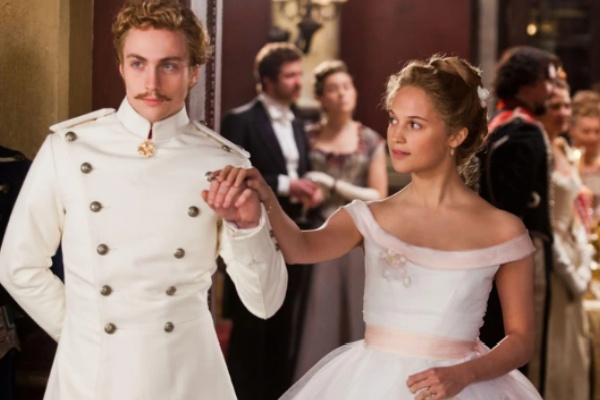
Unlike today’s freewheeling dances, Victorian-era dance choices were strictly policed by the era’s ultra-strict moral code—only virtuous, modest dances were acceptable. The biggest taboo? The waltz. That innocent dance we know now was once considered scandalously indecent, all because partners stood too close, made heavy physical contact, and gentlemen would lift unmarried ladies during spins—an act seen as ruining a woman’s purity and reputation.
TOP 9: Going to a ball was basically a marathon
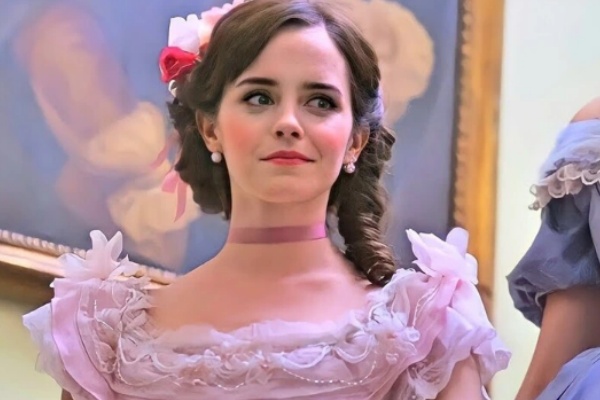
Attending a Victorian ball wasn’t just fun—it required serious stamina. Balls started around 9 PM and didn’t end until dawn, and guests usually ate dinner very late. So if you didn’t have time (or couldn’t) eat before the ball, you’d go hungry until 1 AM. On top of that, crinolines (those huge, poofy skirts) made dancing in crowded rooms a nightmare. And to look “perfect,” ladies resorted to some wild beauty tricks—like putting leeches behind their ears to get pale, porcelain skin. Ouch.
TOP 8: Ladies had special underwear for bathroom breaks
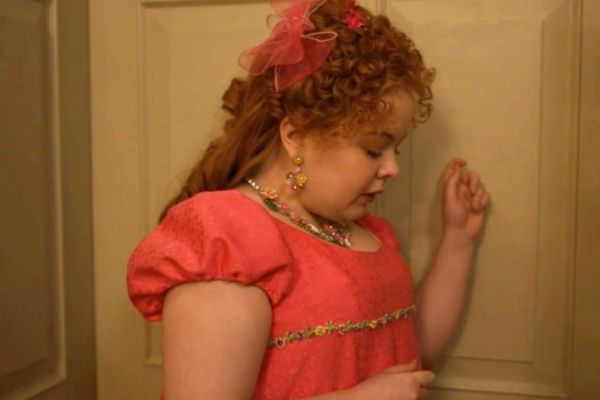
If a lady needed to use the restroom during the ball, she couldn’t just dash off alone. One or more maids would wait in a designated room to help lift her giant skirt. Victorian women didn’t wear modern underwear—instead, they had split drawers (sort of like open-crotch panties) that let them use the bathroom without taking off all their clothes. Practical, if a little awkward.
TOP 7: Hosts intentionally overinvited guests
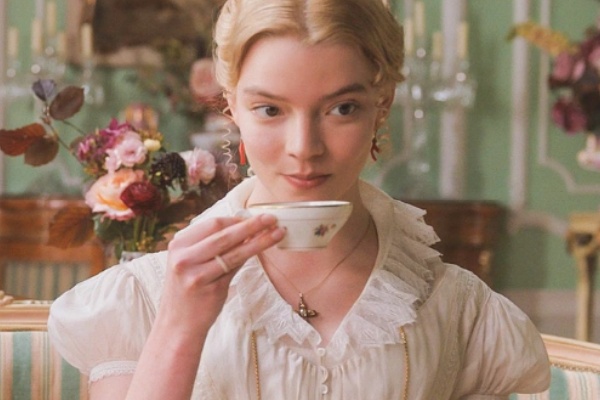
Victorian ball hosts often invited more people than their ballroom could hold—and it was totally on purpose. They counted on some invitees not showing up, and this little trick made the party look packed (and thus, successful). A ball with around 100 guests was considered “grand,” while one with fewer than 50 was humbly called a “soirée” (fancy French for “small party”).
TOP 6: Guests were expected to be flawless
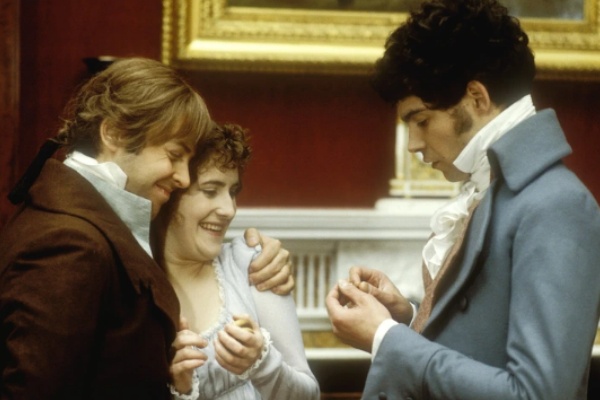
Young ladies in Victorian times couldn’t turn down a man’s dance invitation. Doing so was seen not just as rude to the man, but also as an insult to the hostess—like implying she’d invited someone unworthy that no proper lady would want to dance with. But what if you really didn’t want to dance with a pushy suitor? There was a loophole: say all your dance slots were already taken. Ladies used special “dance cards” where they wrote down the names of men they’d agreed to dance with—perfect for dodging unwanted advances.
TOP 5: They came prepared for emergencies
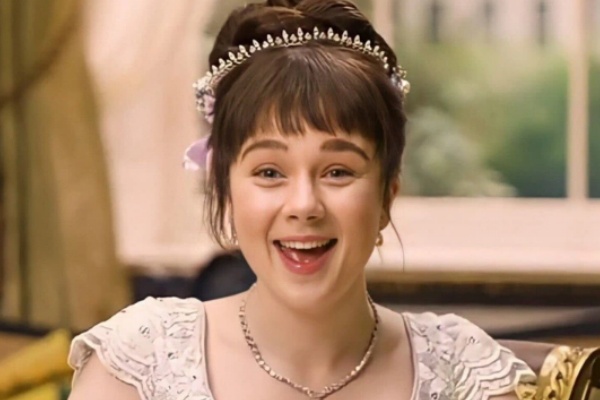
Some young ladies brought their own bourdaloues (small, portable chamber pots) to balls, tucking them in their pockets or under their skirts. If there was no bathroom nearby, they’d use these little pots—their dark, voluminous skirts helped hide the whole thing. There’s even a theory that ladies would grab folds of fabric inside their skirts to hold themselves back (you know, to avoid peeing) when nature called. Desperate times call for desperate measures!
TOP 4: Fans weren’t just for cooling down—they were secret communication tools
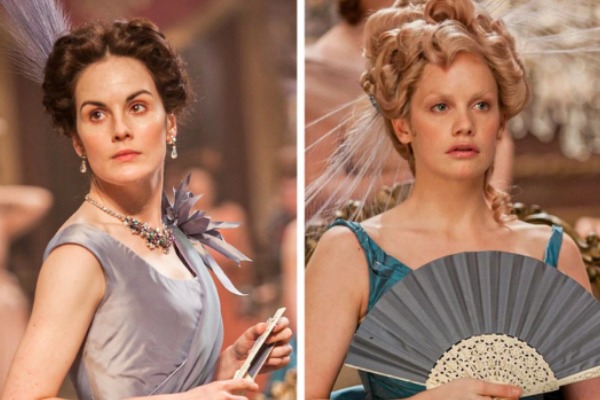
A fan was a must-have accessory for every young lady’s ball gown. With all the candles and people crammed into the ballroom, it got hot fast—so fans were lifesavers, keeping ladies from fainting. But they did more than just cool people down: they were used to flirt and communicate with suitors. In the 19th century, women couldn’t openly express their feelings, especially in public. So they used fan gestures to send messages instead—kind of like 19th-century texting.
TOP 3: Hostesses had to stand at the door for HOURS
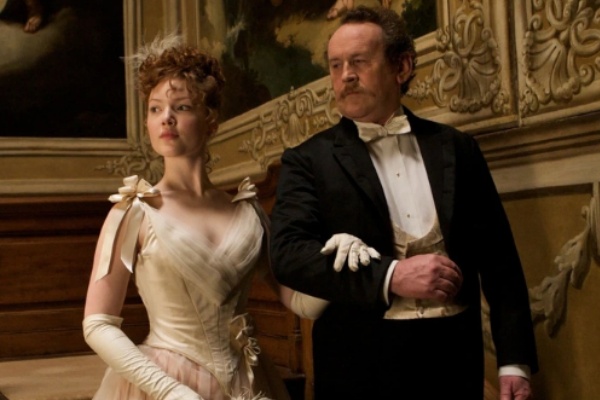
Hostesses were required to welcome every single guest at the door, and they had to stay there until dinner or until everyone had arrived. Usually, this was manageable—except when a gentleman the hostess didn’t know showed up, invited by her husband or son. Victorian etiquette said she couldn’t speak to him without a formal introduction, so her husband or son always had to stick around to help. Meanwhile, the daughters got to enjoy the party in the ballroom—lucky them!
TOP 2: Every lady got a number
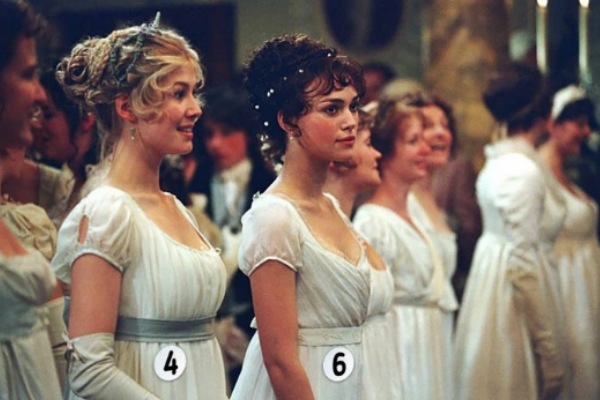
One of the most important people at the ball was the dance master. He made sure everyone followed the rules, announced dinner time, and handled all the logistics. Before the ball started, he’d greet guests at the door and hand out numbered cards to every lady—nobles were the only exception. The lady had to pin the card somewhere visible, and the number told her where to stand during group dances.
TOP 1: A lady’s hair told you everything about her
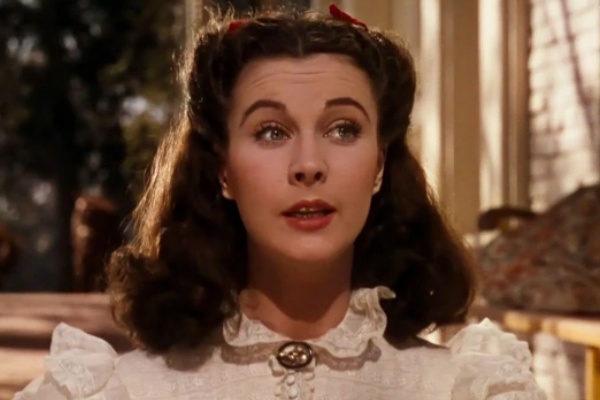
When getting ready for a ball, ladies put just as much effort into their hair as their dresses. To make their hair look voluminous, they used “rats”—little balls of hair (collected by maids from their combs) that they tucked into their updos. These rats matched their hair color, so they were invisible. Then they’d dust their hair with shiny powder made from crushed gold or silver foil—only the super rich could afford that. Cheaper alternatives existed, but they made hair look messy and greasy. So yeah, a lady’s hairstyle was basically a status symbol.
Comment