What's Inside (Skip Around)
I burned out on meal planning three years ago. Not because I couldn't cook — because I was trying to cook like a food magazine editor on a Tuesday at 7 p.m. with a toddler tugging at my leg. That's when I started thinking about balanced weeknight meals differently. Not a perfect plate. Not a 45-minute recipe. A system that actually works on a random Wednesday when you're running on fumes.
Here's what I've learned after feeding my family over 900 weeknight dinners (yes, I counted, because I'm that kind of person): the meals that stick aren't the elaborate ones. They're the ones built on a repeatable structure, a few smart shortcuts, and a willingness to let frozen vegetables carry some of the weight.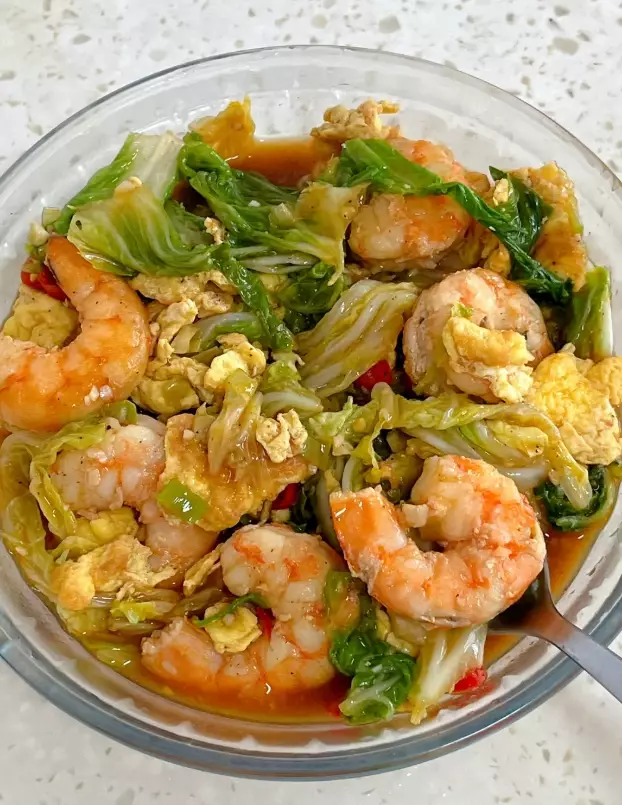
The 3-Part Formula I Use Every Single Week
Every balanced weeknight meal I make follows the same skeleton. It's not revolutionary, but the consistency is what makes it work. When you stop deciding what to cook and only decide which version to cook, decision fatigue drops dramatically.
Protein + Starch + Vegetable, with a sauce or seasoning that ties it together. That's it. The sauce is the part most people skip, and it's the part that makes the meal feel finished rather than sad. A spoonful of pesto, a drizzle of tahini-lemon dressing, a quick pan sauce with butter and capers — these take 30 seconds and change the entire mood of the plate.
What This Looks Like in Practice
| Protein | Starch | Vegetable | Finishing Touch |
|---|---|---|---|
| Rotisserie chicken (store-bought) | Microwave brown rice pouches | Frozen green beans, roasted at 425°F for 15 min | Lemon yogurt sauce (Greek yogurt + lemon juice + garlic) |
| Canned chickpeas, drained and pan-fried | Pita bread, toasted | Cherry tomatoes and cucumber, chopped | Tahini drizzle with cumin |
| Frozen shrimp, thawed under cold water | Instant ramen noodles (discard half the seasoning packet) | Bagged coleslaw mix, stir-fried | Soy sauce + sesame oil + chili crisp |
| Eggs, scrambled soft | Sourdough toast | Frozen spinach, sautéed with garlic | Hot sauce and a sprinkle of nutritional yeast |
The table above isn't a recipe list. It's a decision-making tool. Pick one item from each column and you're done. This is the single biggest shift that made balanced weeknight meals feel doable instead of aspirational.
A mistake I see constantly: People try to make every component from scratch. Store-bought rotisserie chicken and frozen rice pouches are not cheating. They're infrastructure. Save your energy for the sauce and the vegetable — that's where homemade actually matters for flavor and nutrition.
How to Build a Balanced Plate in Under 30 Minutes
The USDA's MyPlate guidance suggests roughly half your plate should be vegetables and fruit, with a quarter for protein and a quarter for grains. In practice, that looks less like a neat diagram and more like a pile of roasted broccoli next to a chicken thigh and a scoop of rice. I don't measure. I eyeball it.
The 30-minute timeline I actually follow:
- Minutes 0–5: Turn on the oven to 425°F. Put a sheet pan in while it preheats. Chop whatever vegetable is in the crisper drawer.
- Minutes 5–10: Toss vegetables with oil and salt. Spread on the hot sheet pan. Put it in the oven.
- Minutes 10–20: Start your starch (rice cooker, pasta pot, or microwave pouch). Season and cook your protein in a skillet.
- Minutes 20–30: Pull the vegetables out. Make a quick sauce. Plate everything. Eat.
I've tested this rhythm with chicken breasts, salmon fillets, tofu cubes, and even canned beans. The oven does the vegetable work while you focus on the protein and starch. It's not multitasking genius — it's just sequencing.
What I Prep on Sunday (And What I Refuse To Prep)
Sunday meal prep has a reputation problem. People picture five identical containers of grilled chicken and steamed broccoli, and then they quit by Wednesday. I get it. I've been there.
What actually works for balanced weeknight meals is prepping components, not finished meals. Here's my real list from last Sunday:
- Cooked a big pot of farro (took 25 minutes, yields enough for three dinners).
- Washed and dried a head of lettuce and stored it in a zip-top bag with a paper towel.
- Made a jar of vinaigrette (olive oil, red wine vinegar, Dijon, honey, salt).
- Hard-boiled six eggs.
- Chopped onions and stored them in a container. This one saves me five minutes every single night, which adds up to almost half an hour by Friday.
What I refuse to prep: roasted vegetables (they get soggy), cooked proteins (they dry out), and anything that requires a sauce to be added later. Those are better fresh.
This approach means Monday and Tuesday dinners come together in about 15 minutes. By Thursday, when energy is lowest, I still have farro, eggs, and a bag of frozen peas. That's a balanced meal with almost zero effort.
Why Your Weeknight Dinners Keep Falling Apart
Here's a non-consensus take: most people fail at balanced weeknight meals not because they lack recipes, but because they're optimizing for the wrong thing. They want variety. They want excitement. They want to feel like they're cooking.
The families I know who eat well on weeknights have a rotation. They eat the same seven to ten meals on repeat. It sounds boring. It is, a little. But it's also sustainable, and sustainable beats impressive every single time.
I have a friend who makes the same stir-fry every Monday. Her kids know it's coming. She knows exactly how long it takes. There's zero negotiation. That's not a lack of creativity — that's a system that protects her sanity.
My advice: build a rotation of five meals you can make without thinking. Keep the recipes saved in one place (I use a notes app with a folder called "Weeknight Hits"). Then allow yourself one wildcard night per week for something new. That's it. That's the whole strategy.
Real Questions From Real Home Cooks
None of this is glamorous. But it works. And after years of testing what actually gets dinner on the table on a Tuesday, I've stopped looking for glamorous. I look for repeatable. That's the whole game with balanced weeknight meals — repeatable beats perfect every time.
Comments
Comments are temporarily unavailable.