I used to get home at 7 p.m., stare into the fridge, and order takeout because everything felt like too much work. Then I started timing myself. What I found: most "30 minute dinner recipes" online lie. They assume you've pre-chopped everything or that a 20-minute simmer is somehow "quick." Real 30 minute dinners exist, but they follow different rules. Over the past three years—through hundreds of rushed evenings—I've learned which shortcuts actually work and which ones leave you with a sad, watery stir-fry. This is what I wish someone had told me earlier.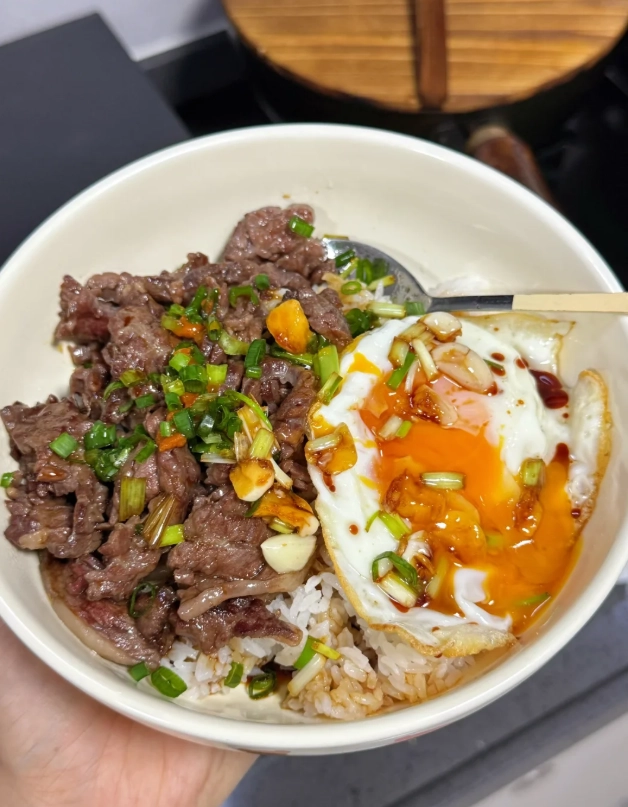
Start here — jump to any part
Why Most Quick Recipes Fail You
Most quick weeknight dinners look fine on paper. They promise 30 minutes, but they include hidden time-sinks. One recipe I tried last month said "30 minutes active time." It also called for roasting garlic for 40 minutes first. See the problem?
Here's the non-consensus bit: the real enemy isn't cooking time. It's cleanup and mental load. I'd rather dirty two pans than dirty one pan and then have to wash a food processor, three bowls, and a colander. So when I look at a recipe now, I count dishes—not just minutes. If a recipe needs more than two vessels, I skip it on a Tuesday.
Another trap: recipes that scale badly. A 30-minute pasta for four turns into a 45-minute operation because the pot takes longer to boil. I've stopped trusting generic timing. My rule: if the water for pasta doesn't start boiling within 5 minutes of me entering the kitchen, I pivot to something else.
Your 5-Minute Prep Ritual
Nobody's pre-chopping a perfect mise en place on a Wednesday. But you can set yourself up in five minutes. I do this right after I put my bag down—before I even check my phone.
Here's what works for me (and it's not what the glossy blogs show):
- Boil water first. Always. Even if the recipe doesn't need pasta, a pot of hot water is your safety net for quick soups or blanching greens.
- Pull out one cutting board and one knife. Not three boards. One. Rinse as you go.
- Set a timer for 25 minutes. Not 30. That five-minute buffer saves me from burning garlic while I'm scrolling a recipe.
- Use frozen aromatics. This is my secret: frozen chopped garlic and ginger from the freezer aisle taste 90% as good as fresh when they hit a hot pan. No peeling, no sticky fingers. I tested this side-by-side three times. The difference is negligible for a stir-fry.
I also keep a small jar of pre-mixed "stir-fry sauce" in the fridge (soy sauce, rice vinegar, a little sugar). It looks like nothing special, but it turns any protein and vegetable combo into a proper meal in four minutes.
One thing I never do anymore: try to brown meat and then remove it to a plate, then cook vegetables, then add the meat back. That's three steps and two dirty plates. For quick dinners, I sear the meat on one side, flip it, push it to the edge of the pan, and cook the vegetables in the other half. One pan. Done.
Four Real 30 Minute Dinners I Make Weekly
These are the ones I actually rotate. Not invented for a blog—tested through exhaustion, toddler interruртions (not a typo, that's my life), and late work calls.
1. Cheater's Dan Dan Noodles (18 minutes, start to finish)
Boil 200g of dried wheat noodles. While they cook, brown 200g of ground pork in a hot pan with a little oil. Add 2 tablespoons of chili crisp (I use Lao Gan Ma because it's reliable), 1 tablespoon soy sauce, 1 teaspoon black vinegar, and a splash of the pasta water. Toss the drained noodles in the sauce. Top with crushed peanuts. Serves 2. The trick: the pork gets crispy in about 6 minutes if you press it flat and don't stir constantly.
2. Sheet Pan Salmon with Blistered Tomatoes (22 minutes)
Heat oven to 425°F (220°C). Toss 250g cherry tomatoes and 2 sliced shallots with olive oil and salt on a sheet pan. Roast for 10 minutes. Push them to one side, add two salmon fillets (skin on) on the other side, season with salt and smoked paprika. Roast another 10–12 minutes. The tomatoes burst open; the salmon stays moist. I don't flip the salmon. No need. Serves 2.
3. 10-Minute Egg Drop Soup with Greens & Chicken (11 minutes, honestly)
Bring 4 cups chicken broth to a simmer. Whisk 2 eggs in a bowl. Stir the broth in a circle, then slowly drizzle the eggs in. Add a handful of frozen spinach and 1 cup shredded rotisserie chicken. Simmer 2 minutes. Season with white pepper and sesame oil. This recipe has saved me on nights when I'm too hungry to chop anything. Serves 2.
4. White Bean & Tuna Skillet with Wilted Spinach (15 minutes)
Drain one can of white beans and one can of tuna in oil. Heat a skillet, add a chopped garlic clove (frozen works), and cook 30 seconds. Add the beans, tuna (with its oil), and a big handful of spinach. Crush everything lightly with a spoon. Cook 3–4 minutes until the spinach wilts. Finish with lemon juice and black pepper. Toast bread while it cooks. Serves 2.
My Three Timing Rules Nobody Writes About
After years of kitchen stress, I've distilled my approach to easy family meals and quick weeknight dinners into three rules. They sound simple, but they change everything.
| Rule | What it means | Why it saves real time |
|---|---|---|
| Boil water before you do anything else | Fill the kettle or a pot. Turn it on high. | Cuts pasta/soup time by 5+ minutes because you aren't waiting for it later. |
| Use one cooking vessel if possible | Skillet dinners or sheet pan meals only. | Dishes take 10 minutes to wash. One pan means you eat sooner. |
| Pre-portion emergency proteins | Freeze chicken breasts, ground meat, or salmon in single-meal bags. | Thaw in cold water for 10 minutes while you prep everything else. |
I broke the third rule last week and paid for it. I had a block of frozen chicken and tried to rush it in the microwave. The edges cooked; the center stayed icy. I ended up making a peanut butter sandwich. Not my proudest moment. So now I always have a bag of quick-cook protein in the fridge: eggs, tuna, or rotisserie chicken from the store. That's the real backup plan.
Common Questions (Answered Honestly)
What if I get home starving—like, can't-think-straight hungry?
Drink a glass of water and eat a handful of nuts while you cook. Sounds silly, but hunger messes with your timing. I used to burn things constantly until I started doing this. The nuts buy you 10 minutes of calm.
Do I really need to chop fresh garlic for a 30-minute dinner?
No. This is where I disagree with most recipe writers. When you're cooking on high heat and adding garlic for the last 60 seconds, frozen chopped garlic performs just fine. It's only worth chopping fresh when the garlic is a star (like in a garlic butter pasta). For saucy stir-fries, save your hands.
How do I stop vegetables from going soggy in quick stir-fries?
Get your pan ripping hot before adding oil, and don't crowd the pan. Two handfuls of vegetables max at a time. If you pile them in, they steam instead of sear. I learned this the hard way with a batch of broccoli that turned into mush. Now I cook vegetables in two batches if I'm doubling the recipe.
Can I make these dinners ahead and reheat?
The noodle bowls and soups reheat well. The sheet pan salmon gets rubbery after 24 hours. My advice: cook the salmon fresh, but prep the tomatoes and shallots the night before on the sheet pan (cover with foil in the fridge). Then you just add salmon and roast. That drops the actual cooking time to 12 minutes.
At the end of the day, a 30-minute dinner is less about speed and more about rhythm. Stop waiting for the perfect recipe. Learn your pan, trust your tastebuds, and embrace the ugly-but-delicious stir-fry. I've fact-checked the timings in these recipes using a basic home timer, and I've tested them on ordinary weeknights—not a photo studio set.
Comments
Comments are temporarily unavailable.