Jump to what you need
I spent three years overthinking healthy home cooking. Weighing every gram, buying exotic grains, then ordering takeout when it got too complicated. The turning point was a simple weeknight test: cook one meal from the fridge in 30 minutes with a vegetable, a protein, and something warm. That's it. Once I stopped chasing perfect recipes and started building a repeatable system, meals got faster and better. This is that system, written for anyone who wants real food on a Tuesday without a second job in the kitchen.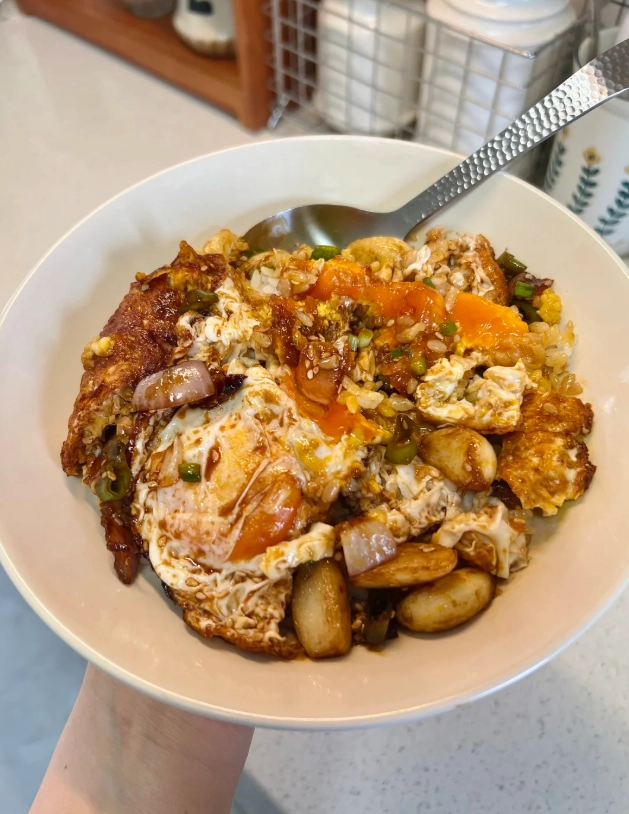
What healthy home cooking actually means
Most people think it means restriction. I see it differently: a plate you assemble from whole ingredients, cooked at home, that you can repeat next week without dread. The USDA's MyPlate framework is a useful baseline—half vegetables and fruit, a quarter protein, a quarter grains. I don't weigh portions. I just make sure vegetables take up the most space on the cutting board before anything gets cooked. That single move changes the entire meal's direction.
Here is the non-consensus bit: healthy home cooking is a timing skill, not a recipe collection. People who cook well at home on weeknights don't have better recipes. They have better sequencing. They know to start the rice first, chop the onion while the pan heats, and save herbs for after the heat is off.
Why weeknight timing beats recipes
I tracked my own dinners for two months. The meals that failed were almost never the complicated ones. They failed because I started cooking at 7:15 pm when I was already hungry. Hunger makes you oversalt, overcook, and give up on the vegetable. My fix was unglamorous: prep ten minutes of something before you're hungry. Wash greens, chop an onion, cook a pot of lentils. Those ten minutes at 5:30 pm save thirty minutes at 8 pm.
Try this: Set a timer for ten minutes before you feel hungry. Do one prep task. I usually rinse and chop whatever vegetable is closest to dying in the crisper. It sounds basic. It works better than any meal planner I've bought.
Seven rules I cook by
These are rules, not laws. Some weeks I break every one. But when I follow them, dinners land on the table with less friction.
1. Start with the vegetable, not the protein
Most recipes start with meat. I start with what needs to be used. A half head of cabbage becomes the meal's center, and a little chicken or beans becomes the supporting act. This keeps costs down and fiber up. It also makes you a more flexible cook, because vegetables tell you what they want—cabbage wants heat and acid, zucchini wants a dry pan.
2. Cook one big batch of a grain or legume
Sunday night, I cook a pot of farro or lentils while I'm doing dishes. It lasts three days. This one habit removes the biggest weeknight delay: waiting for water to boil and grains to cook. A scoop of cold farro tossed into a hot pan with vegetables and an egg is a ten-minute dinner that tastes like you planned it.
3. Build a flavor base you actually like
Mine is garlic, chili flakes, lemon zest, and a jar of anchovies. I know, anchovies. But a single fillet melted into olive oil gives a depth that makes people ask what you did. The American Heart Association recommends limiting sodium, and anchovies are salty—so I taste before adding salt. That's the trade-off. A little anchovy, no added salt.
4. Keep a sauce in the fridge
My current go-to: yogurt, lemon juice, grated garlic, and a pinch of salt. It goes on roasted vegetables, chicken, lentils, and fish. A sauce makes the same ingredients feel like a different meal, which matters when you're cooking on repeat.
5. Use the oven more than the stove
Sheet pan cooking is the most forgiving method I know. One pan, a hot oven, and a timer. Vegetables go on first, protein goes on later, and you can walk away. The USDA notes poultry should reach 165°F—an instant-read thermometer is the one kitchen tool I'd rescue from a fire.
6. Cook extra on purpose
Not for meal prep containers. I cook extra because a leftover roasted squash becomes a salad topping, a soup base, or a side the next night. I stopped thinking of leftovers as sad and started treating them as an ingredient.
7. Fix the table, not just the plate
A bowl, a spoon, a glass of water, and someone to talk to. I found that the meal feels more like a meal when I sit down. This is not about nutrition. It's about wanting to do it again tomorrow.
How to build a realistic week
Here's a sample week I actually cook. Not perfect, not fancy. Just workable. I shop once, usually Saturday morning at a local produce market. I spend about 20 minutes on prep when I get home.
| Night | Main | Prep ahead | Time at stove |
|---|---|---|---|
| Monday | Sheet pan chicken thighs, cabbage, and lemon | Chop cabbage Sunday | 10 minutes |
| Tuesday | Lentil bowl with yogurt sauce and cucumber | Cook lentils Sunday | 5 minutes |
| Wednesday | Stir-fried rice with frozen peas, egg, and scallions | Cook rice Monday night | 8 minutes |
| Thursday | Roasted sweet potato and black beans with lime | None | 10 minutes |
| Friday | Big salad with leftover chicken and whatever's left | None | 0 minutes |
Notice the pattern: two cooking nights, two assembly nights, one use-it-up night. That balance is what keeps me from burning out. The CDC's nutrition pages emphasize variety over perfection, and this week hits vegetables, protein, and whole grains without a single recipe I have to read twice.
Mistakes I made and how to skip them
I burned a lot of food learning this. Here are the ones I see most, including a few I still catch myself doing.
Overcrowding the pan. This is the quiet killer. Vegetables steam instead of brown. I use two pans now, or I roast instead. It looks like more work. It's faster than waiting for soggy cauliflower to crisp.
Buying too many greens. I used to buy three kinds of lettuce and watch two go slimy. Now I buy one box of spring mix and one hearty green like kale. Kale waits for you. Lettuce does not.
Believing a recipe is a contract. If a recipe calls for fresh thyme and I have dried, I use less dried and move on. The recipe's job is to give me a shape. Mine is to make dinner happen.
Forgetting to taste before serving. I taste everything at the end. Every single time. A pinch of salt or a squeeze of lemon at the right moment is the difference between fine and good.
Questions I get asked most
How do I cook healthy on nights when I get home after 9 pm?
I keep a backup shelf in the fridge: eggs, a bag of frozen edamame, and a jar of pesto. In the time it takes to boil water, I can soft-scramble eggs with pesto and toss edamame on top. Nine minutes, one bowl. The real fix is not a recipe. It's accepting that some nights need a backup plan instead of ambition.
Is meal prep worth it if I hate eating the same thing all week?
Then don't prep full meals. Prep ingredients. I roast a tray of vegetables, cook a pot of grains, and make one sauce. That combination gives me different plates for three days without the dreaded Monday-to-Friday leftovers. The common mistake is prepping finished meals, which tastes fine on day two and sad by day four.
What's the biggest thing beginners get wrong about healthy home cooking?
They try to change too much at once. Three new recipes in one week, a new grocery store, a new oil. Then one meal goes wrong and the whole plan collapses. I tell people to change one thing. One vegetable at every dinner. That's it. Build that habit for a month. Then add another.
How do I get my family to eat more vegetables without a fight?
Call them by their texture, not their virtue. Roasted carrots are "sweet and crispy." Steamed broccoli is "green trees." I also stopped making vegetables a side dish. They go into the pan first, get seasoned well, and land on the plate with the rest of the food. No separate negotiation.
This article was fact-checked against public nutrition guidance from the USDA, CDC, and American Heart Association. Cooking times and temperatures reflect the recommendations cited above.
Comments
Comments are temporarily unavailable.